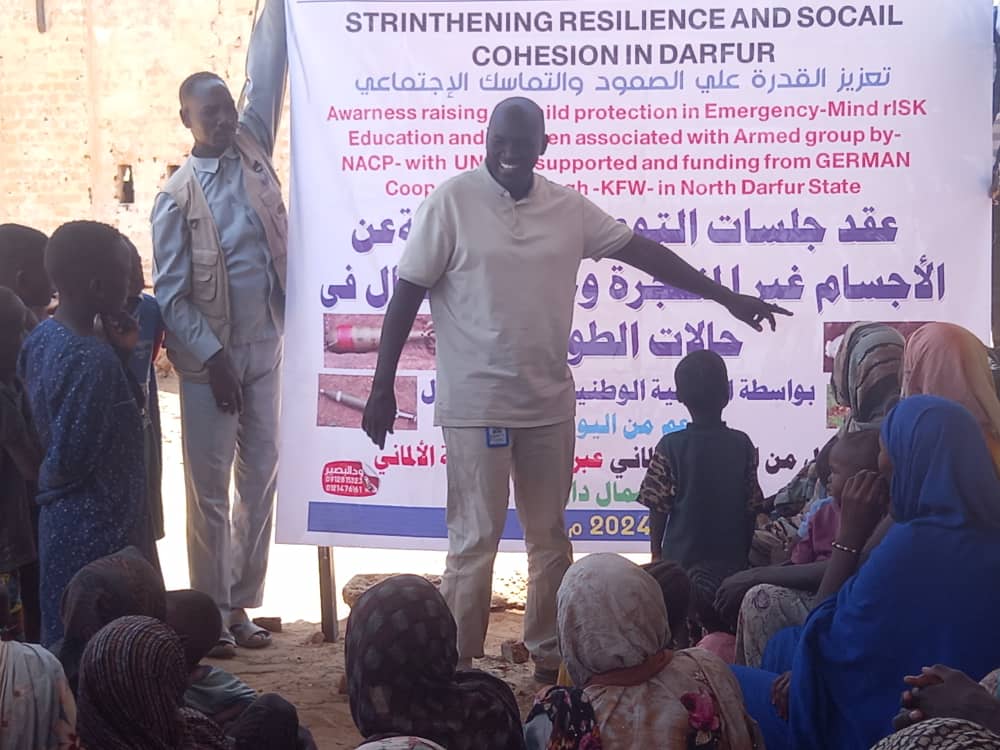
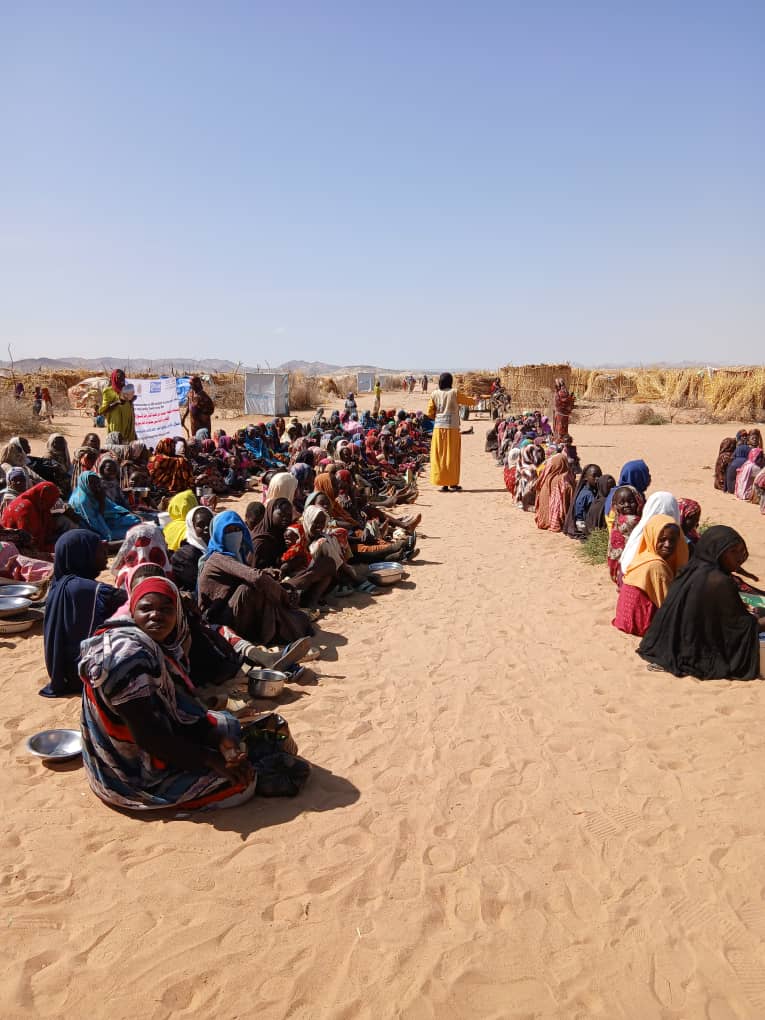
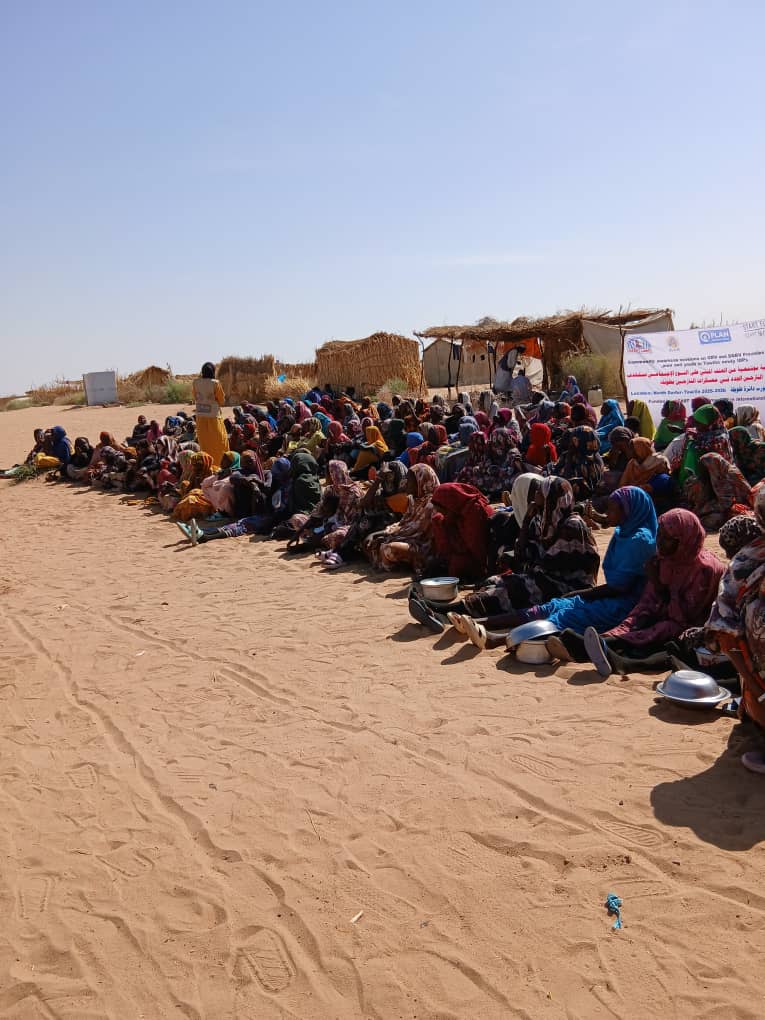
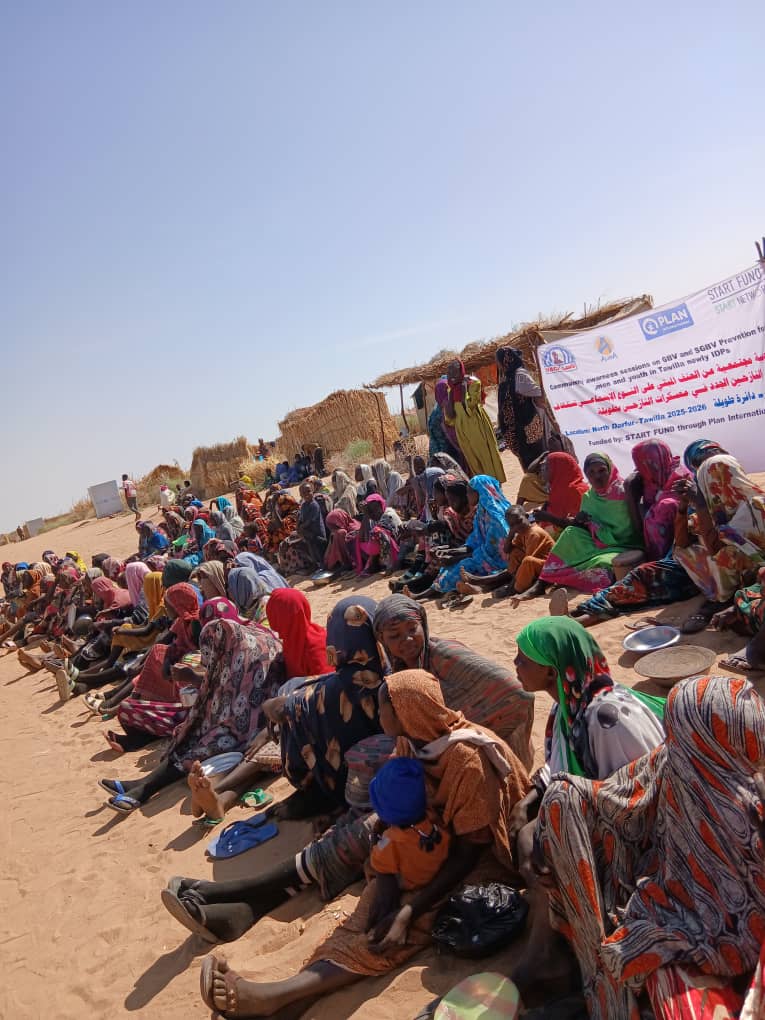
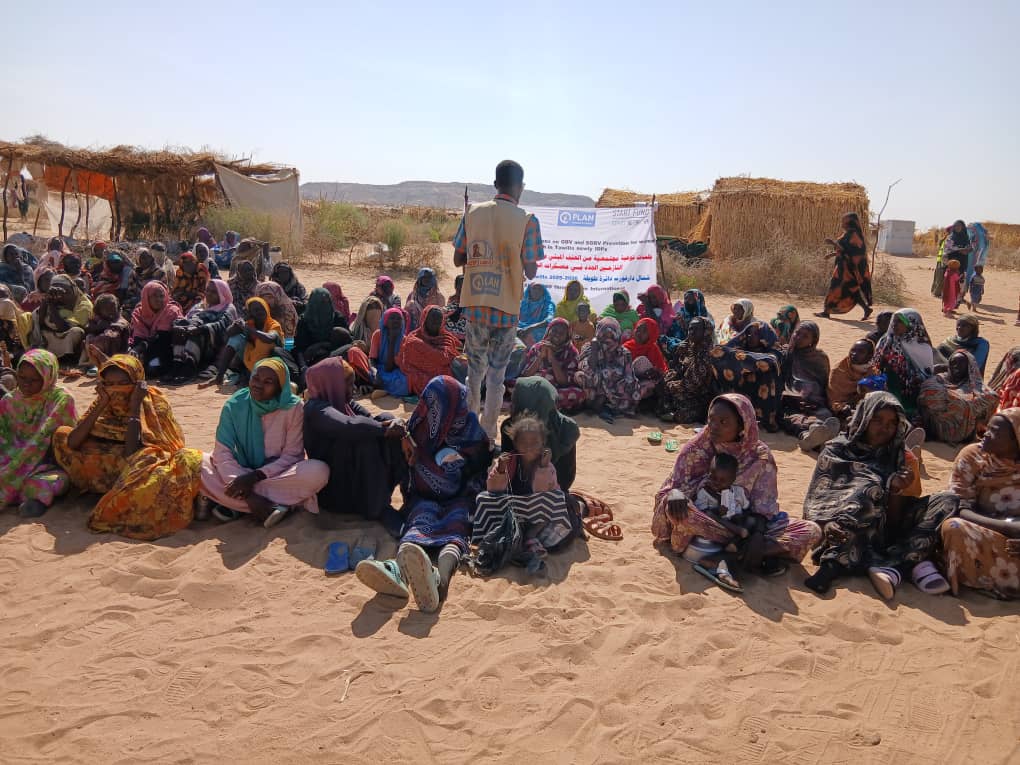
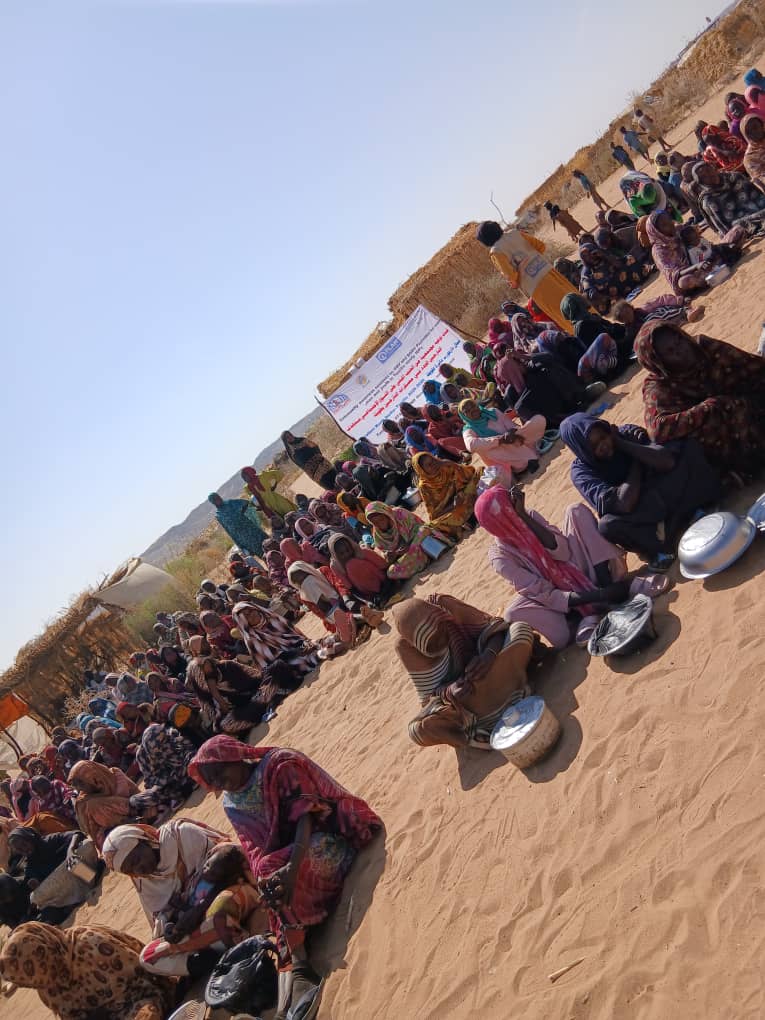
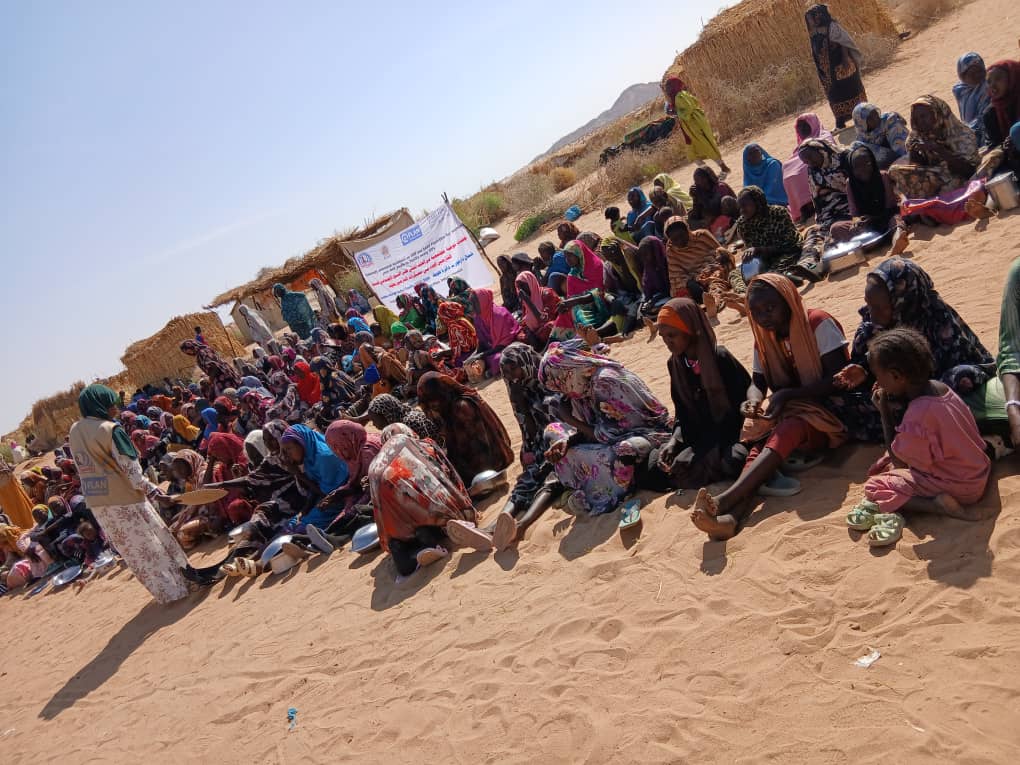
In late 2025, Tawilla became a refuge for thousands of children and families escaping the violence in El Fasher. Among them were separated and unaccompanied children, carrying nothing but fear and exhaustion. Hunger was immediate, and the absence of family support left them exposed to risks no child should face.
A Lifeline of Food
On 26 October 2025, NACP stepped in. Through careful identification of the most vulnerable — coordinated with community child protection networks and women’s groups — 829 children received food support. Each child was given 3 kilograms of rice and 1 kilogram of dates, a simple ration that meant survival. For many, it was the first full meal they had eaten in days. Mothers reported that their children slept peacefully that night, their hunger eased.
Protection Through Assistance
Just weeks later, on 20 November 2025, another urgent need emerged. Survivors of gender‑based violence (GBV) faced not only trauma but also the risk of exploitation and harmful coping strategies. NACP, with UNICEF’s support, provided cash assistance to 496 GBV survivors. This was more than food — it was dignity. Survivors used the cash to secure food, temporary shelter, and essential items. For many women, it meant the power to choose safety for themselves and their children, rather than being forced into dangerous survival practices.
Shelter for the Newly Displaced
As the crisis deepened, new waves of internally displaced families arrived in Tawilla. NACP, through the PLAN – Start Fund project, began distributing non‑food items (NFIs) to 200 families. Blankets, mats, and household essentials helped families rebuild a semblance of home in the midst of displacement.
Impact Beyond Numbers
These interventions were not isolated acts of charity. They were threads in a larger fabric of resilience:
- Reduced hunger and improved short‑term food security for children and elderly people.
- Strengthened coping mechanisms for GBV survivors, restoring dignity and choice.
- Immediate relief for displaced families, helping them withstands the harsh conditions of camp life.
Together, these actions showed that even in the most fragile settings, coordinated humanitarian response can restore hope. In Tawilla, food became more than sustenance — it became a symbol of care, protection, and solidarity.